skip to content

October 13, 2026

processplantinsights.com

processplantinsights.com

  • About
  • Heat Transfer
  • Heat Exchanger

Equipment Reliability

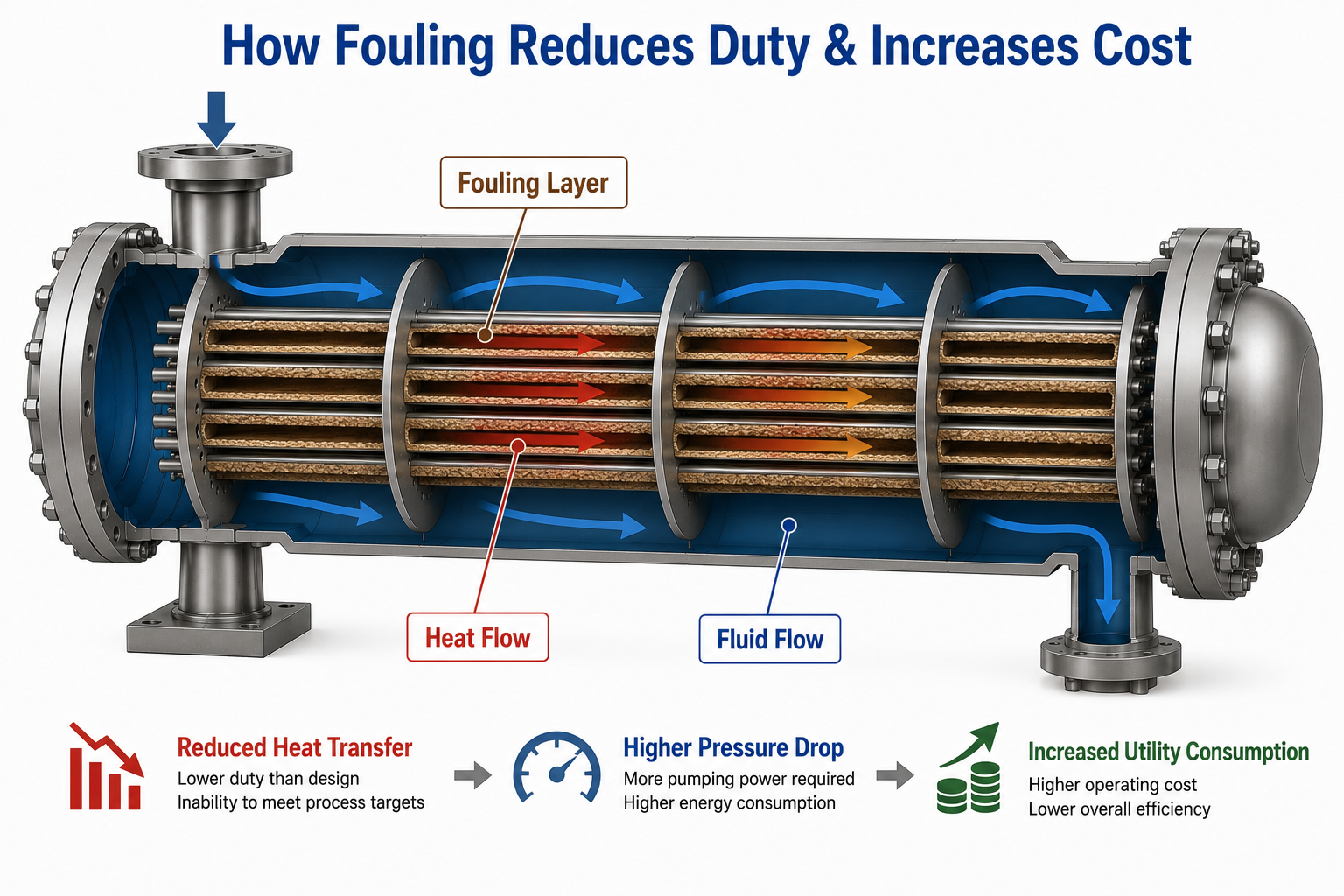
Fouling reducing heat transfer duty and increasing operating costs in a shell and tube heat exchanger
PPI October 13, 2026 0

How Exchanger Fouling Silently Reduces Duty & Increases Cost

Unlike sudden equipment failures, fouling develops gradually and often goes unnoticed until plant performance has already declined significantly. As deposits accumulate inside a heat exchanger, heat transfer efficiency decreases, pressure…
READ MORE +
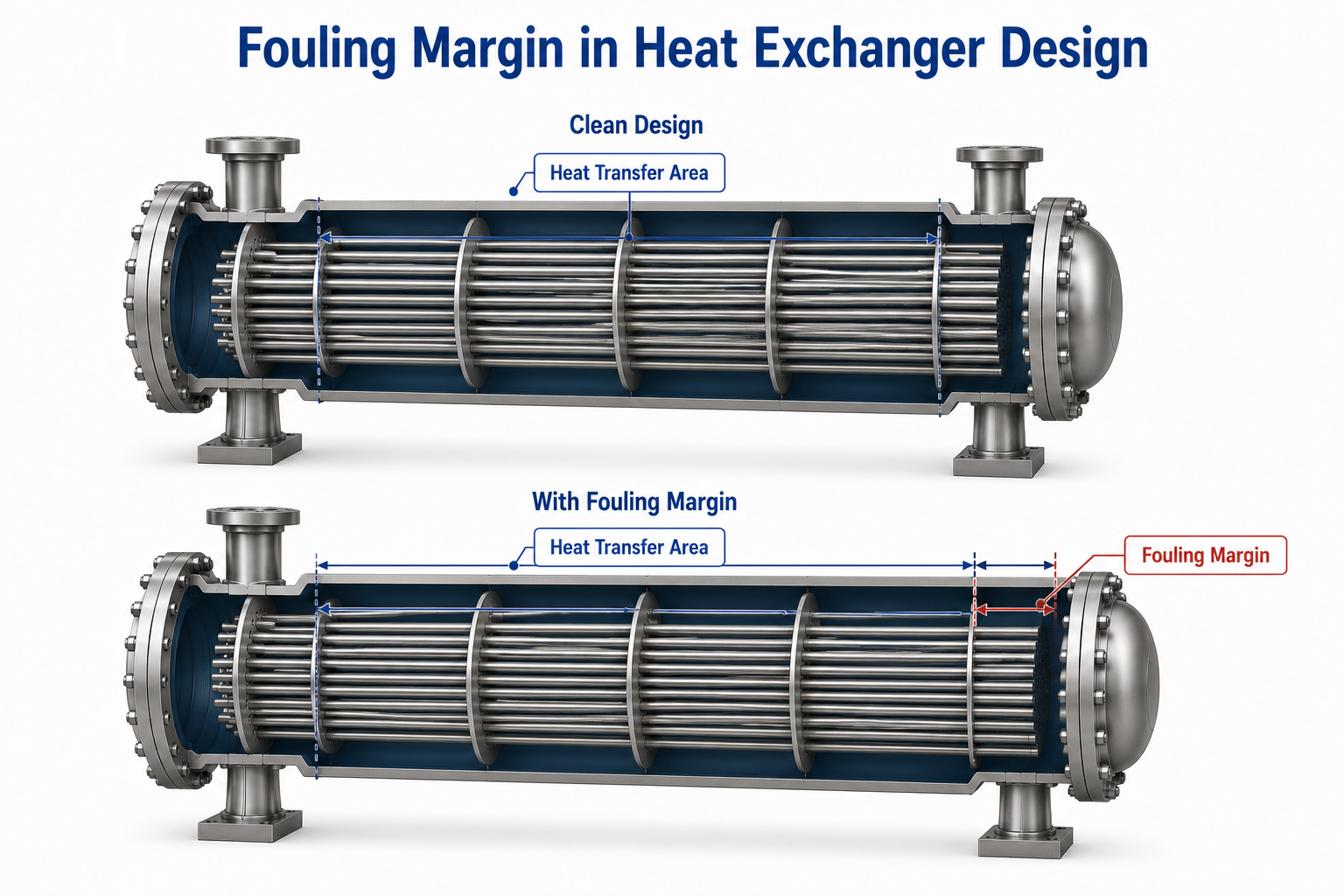
Fouling margin providing additional heat transfer area in a shell and tube heat exchanger
PPI October 11, 2026 0

Why Designers Add Fouling Margin in Exchangers

Every heat exchanger gradually loses thermal performance as deposits accumulate on its heat transfer surfaces. While the fouling factor represents the expected additional thermal resistance, the fouling margin is the…

READ MORE +
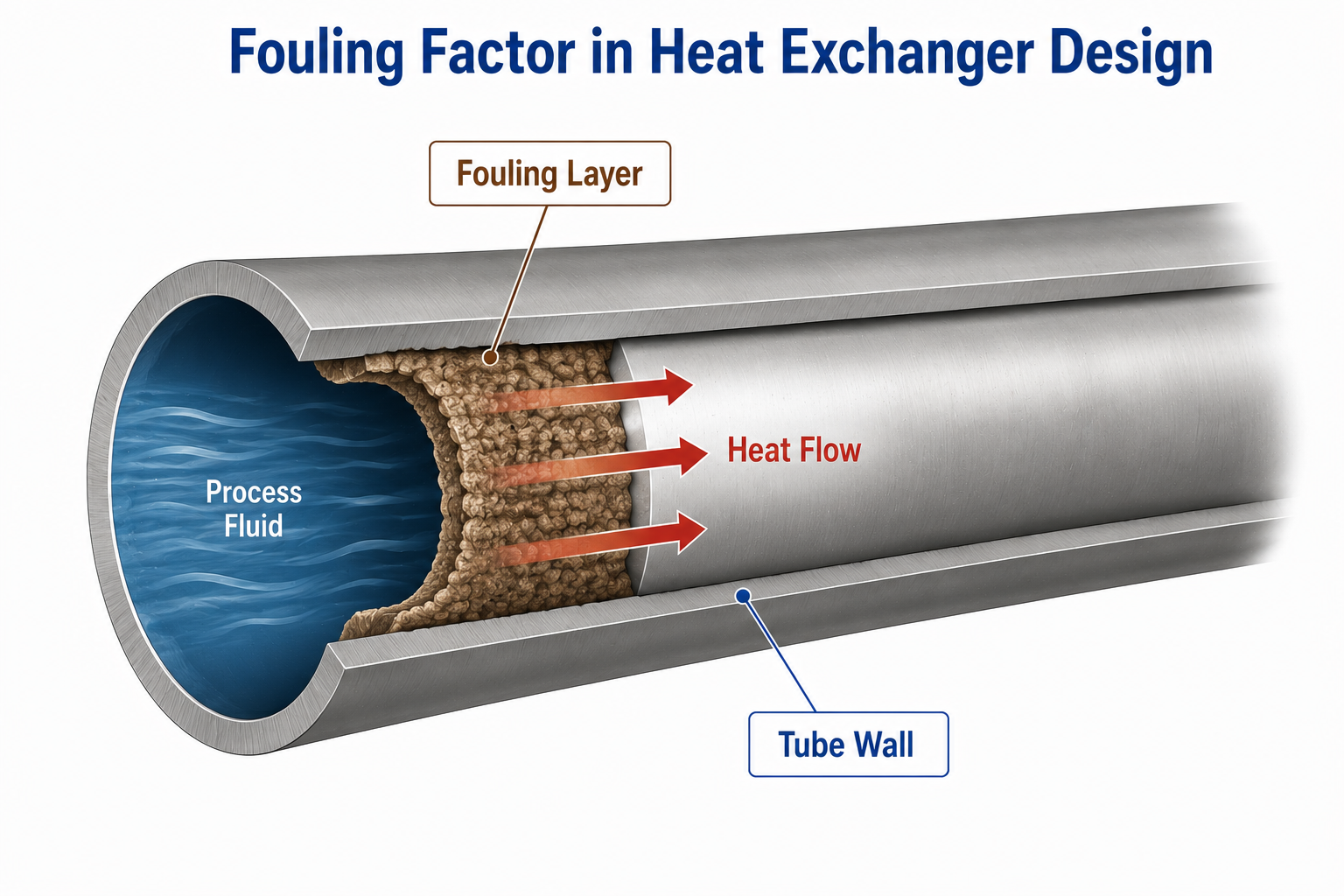
Fouling factor representing thermal resistance in a shell and tube heat exchanger
PPI October 8, 2026 0

Fouling Factor in Heat Exchanger Design – What It Really Represents

Every shell-and-tube heat exchanger is designed with the expectation that its heat transfer surfaces will gradually become less efficient during operation. Rather than assuming permanently clean conditions, engineers include a…

READ MORE +
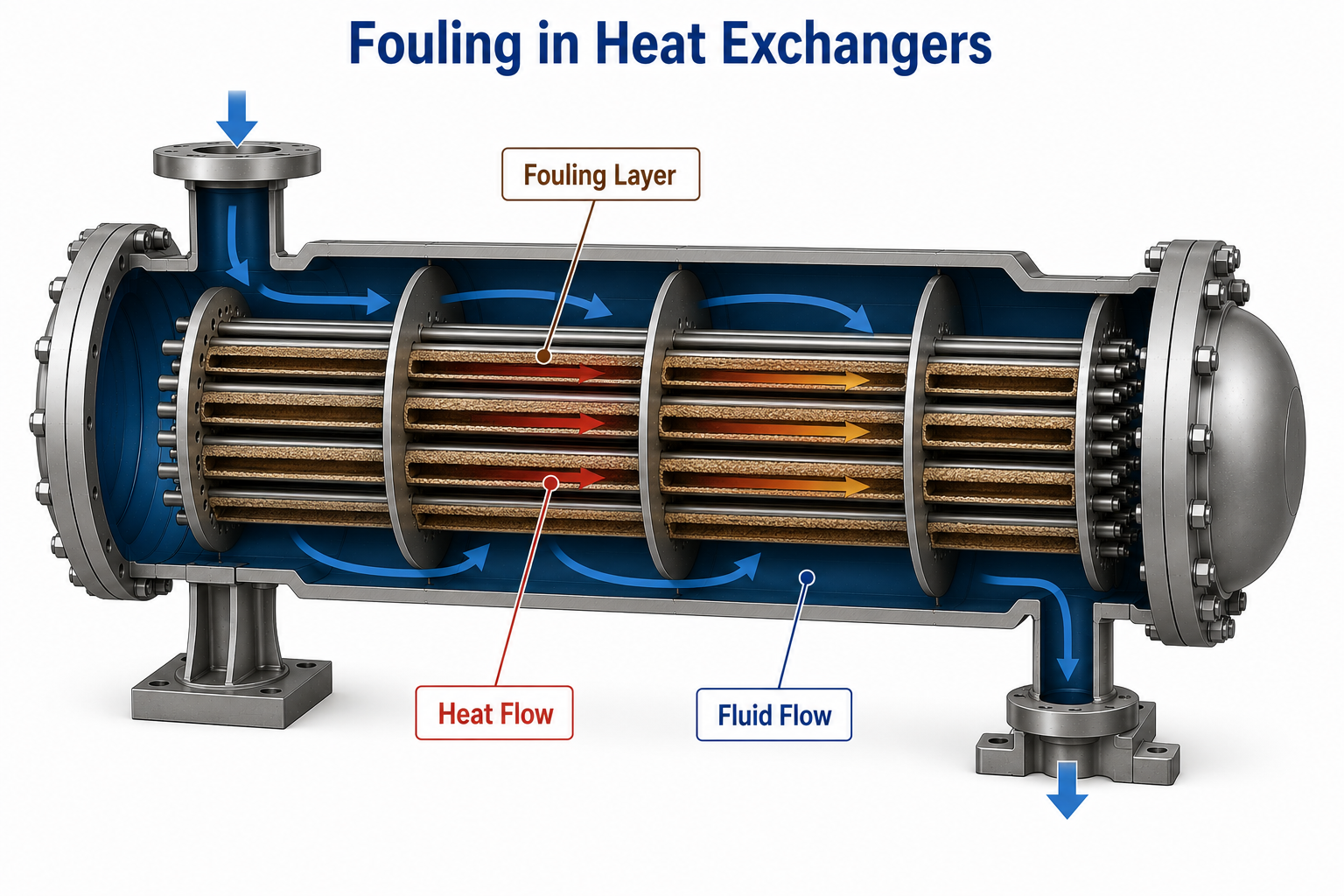
Fouling deposits inside a shell and tube heat exchanger
PPI October 6, 2026 0

Fouling in Heat Exchangers – Why Design Assumptions Fail in Practice

A shell-and-tube heat exchanger may leave the factory in perfect condition, delivering the exact heat duty predicted during design. Yet, over time, many exchangers gradually lose efficiency, consume more energy,…

READ MORE +
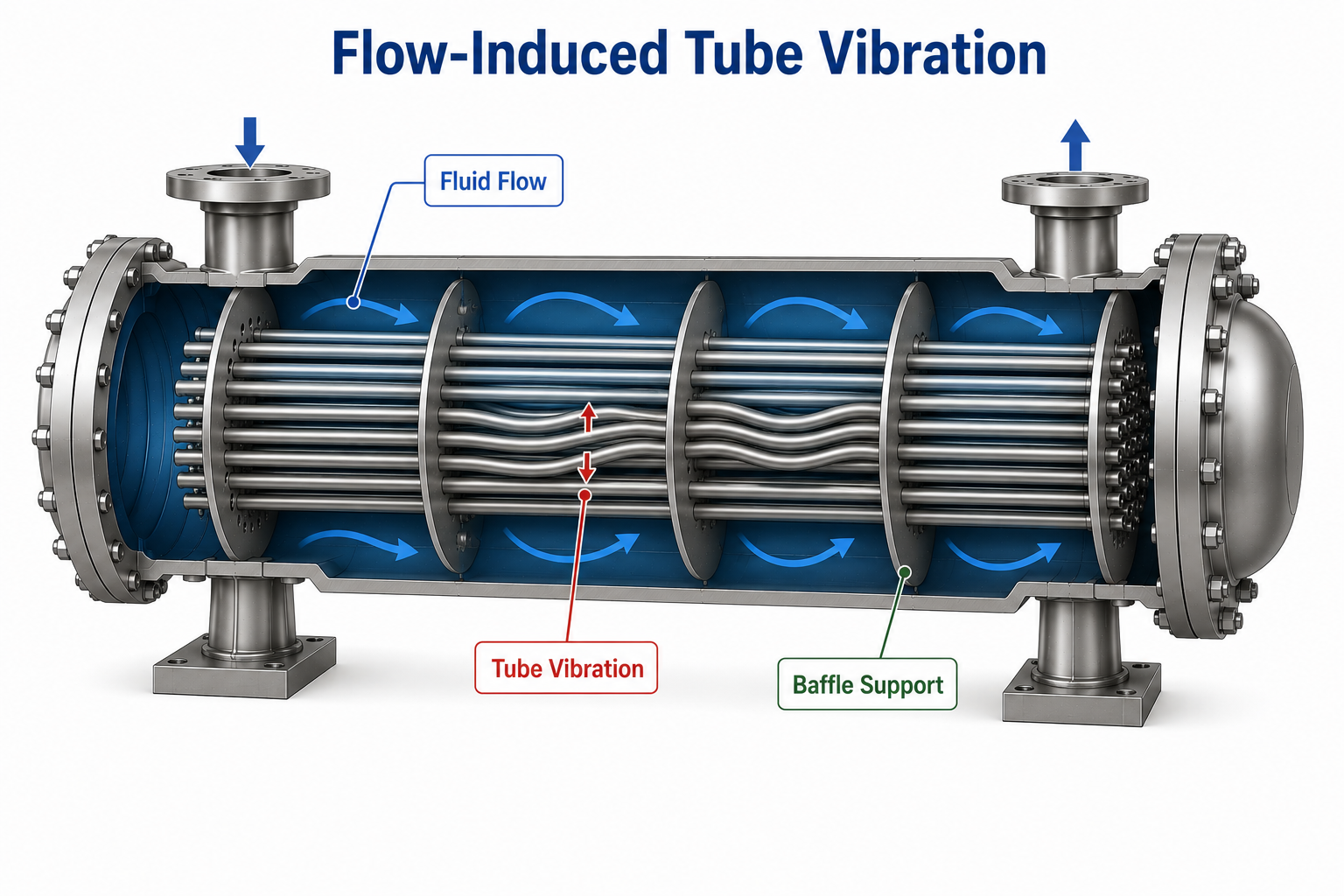
Flow-induced vibration causing tube movement inside a shell and tube heat exchanger
PPI October 1, 2026 0

Flow-Induced Vibration in Heat Exchangers – A Hidden Cause of Tube Failure

Not all heat exchanger tube failures are caused by corrosion, erosion, or excessive pressure. In many cases, the root cause is vibration generated by the flowing fluid itself. Flow-induced vibration…

READ MORE +
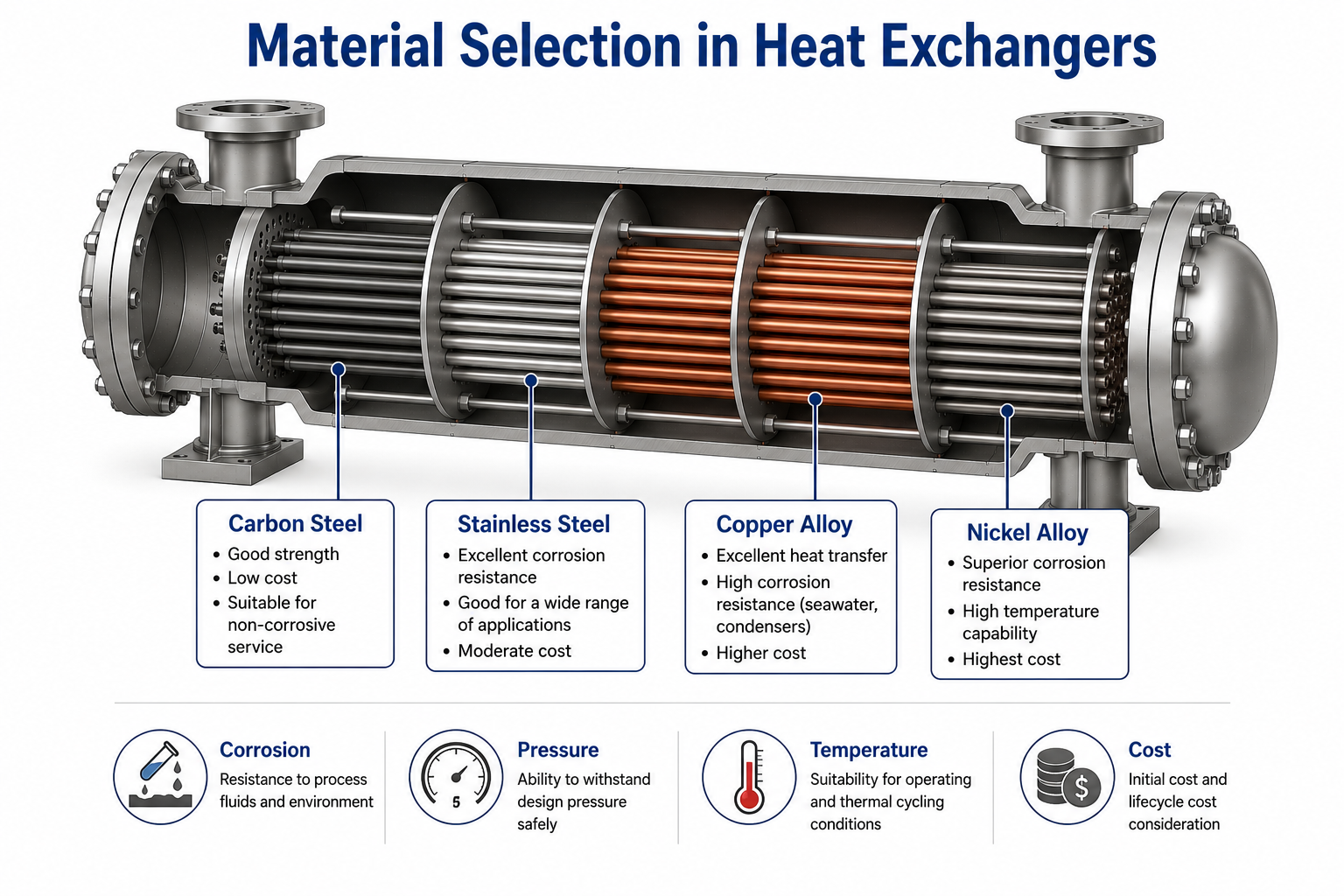
Common materials used in shell and tube heat exchangers
PPI September 29, 2026 0

Material Selection in Heat Exchangers – Much More Than Corrosion Resistance

Choosing materials for a shell-and-tube heat exchanger is one of the most critical engineering decisions in the design process. While corrosion resistance is often the first consideration, it is only…

READ MORE +
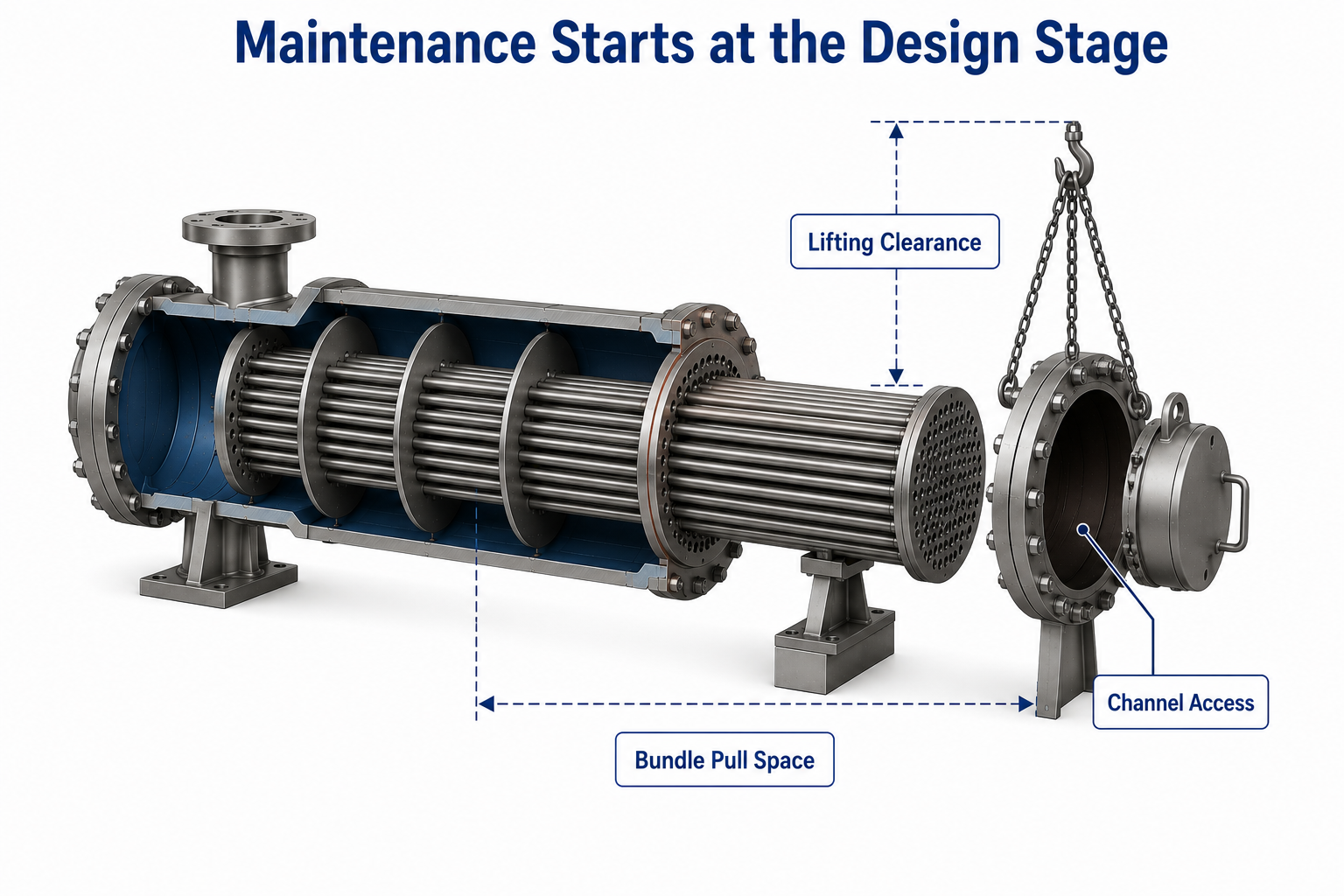
Maintenance-friendly shell and tube heat exchanger design
PPI September 27, 2026 0

Designing for Maintenance Begins Before the Exchanger Is Built

A shell-and-tube heat exchanger spends most of its life in operation, but its true maintainability is determined long before it is commissioned. Decisions made during the design stage—such as exchanger…

READ MORE +

Recent Posts

  • How Exchanger Fouling Silently Reduces Duty & Increases Cost
  • Why Designers Add Fouling Margin in Exchangers
  • Fouling Factor in Heat Exchanger Design – What It Really Represents
  • Fouling in Heat Exchangers – Why Design Assumptions Fail in Practice
  • What Process Engineers Should Check Before Approving a Heat Exchanger Vendor Drawing

Recent Comments

No comments to show.

Archives

  • October 2026 (6)
  • September 2026 (13)
  • August 2026 (13)
  • July 2026 (9)
  • June 2026 (9)
  • May 2026 (15)
  • April 2026 (18)
  • March 2026 (18)
  • February 2026 (16)
  • January 2026 (12)
  • December 2025 (1)

Categories

  • Heat Exchanger
  • Heat Transfer
  • Terms & Conditions
  • Disclaimer
  • Privacy Policy
  • Contact

2026 processplantinsights.com | Blogging WordPress Theme by Legacy Themes