
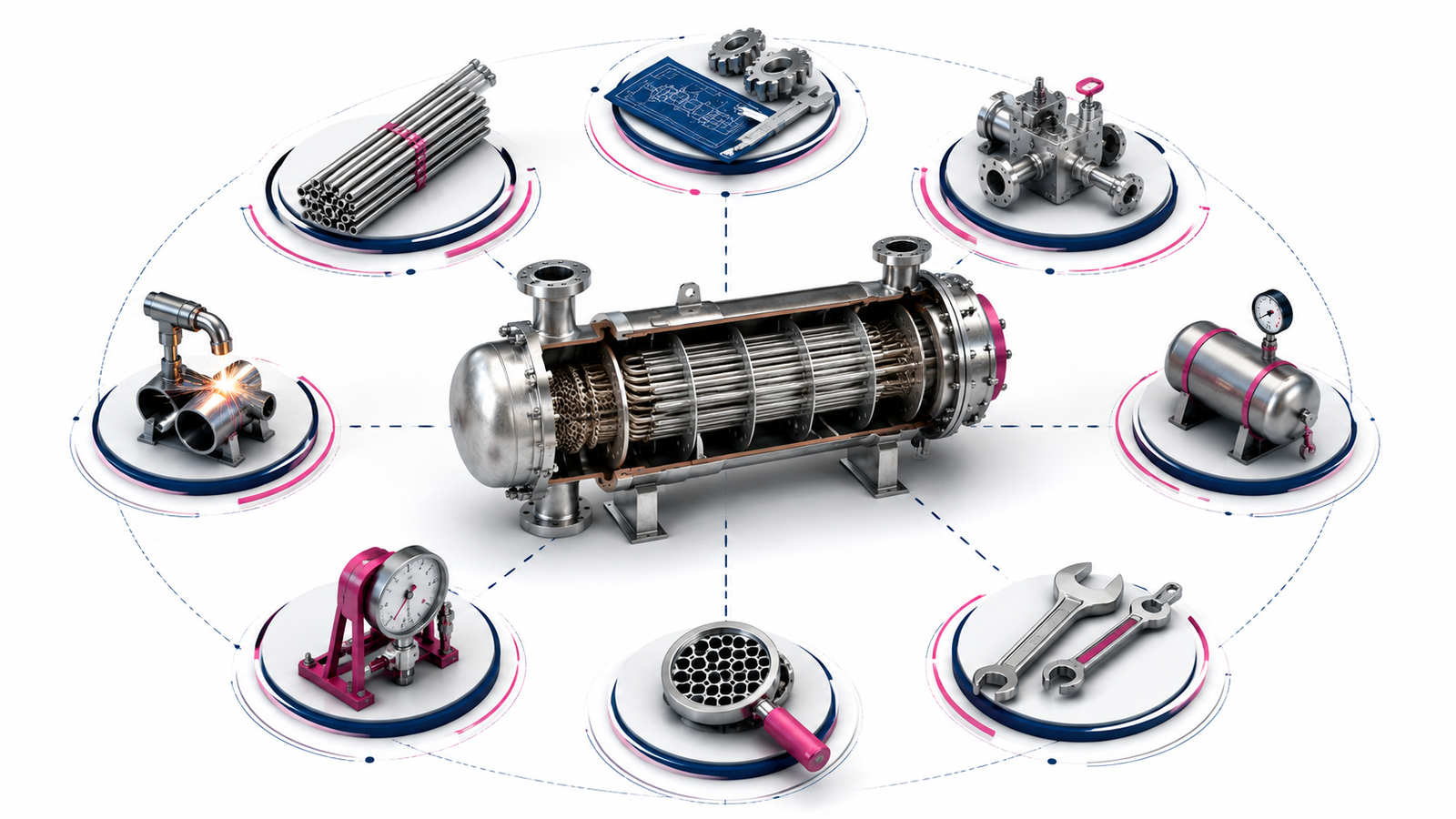
TEMA Standards Explained – What TEMA Controls
More Than a Design Standard—It Defines How Shell & Tube Heat Exchangers Are Built, Inspected, and Maintained. When engineers first encounter a shell-and-tube heat exchanger datasheet, one of the first…
More Than a Design Standard—It Defines How Shell & Tube Heat Exchangers Are Built, Inspected, and Maintained. When engineers first encounter a shell-and-tube heat exchanger datasheet, one of the first…
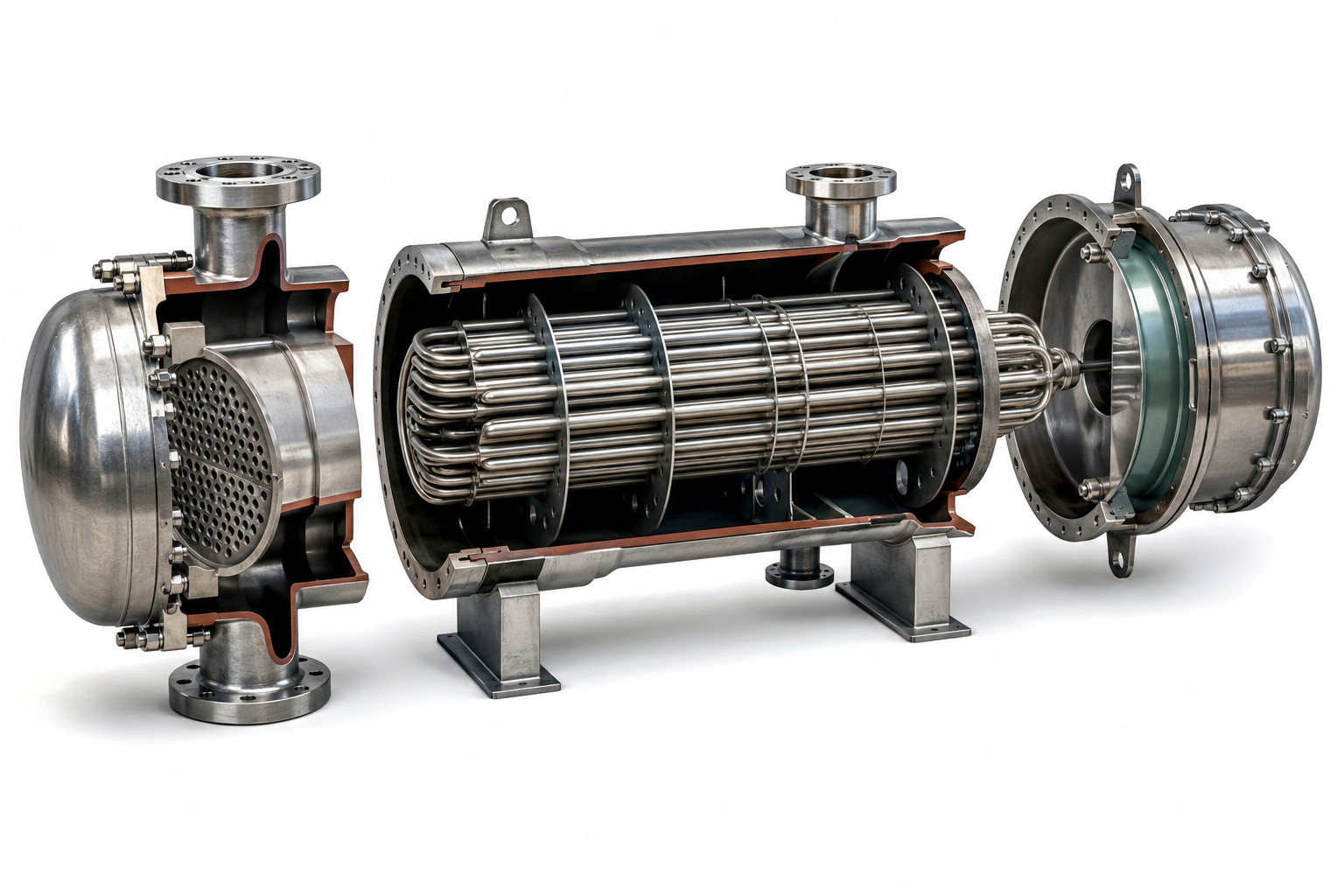
Shell-and-tube heat exchangers are the most widely used heat exchangers in process industries. They are found in almost every major unit operation, including crude distillation units, reactors, condensers, reboilers, feed…
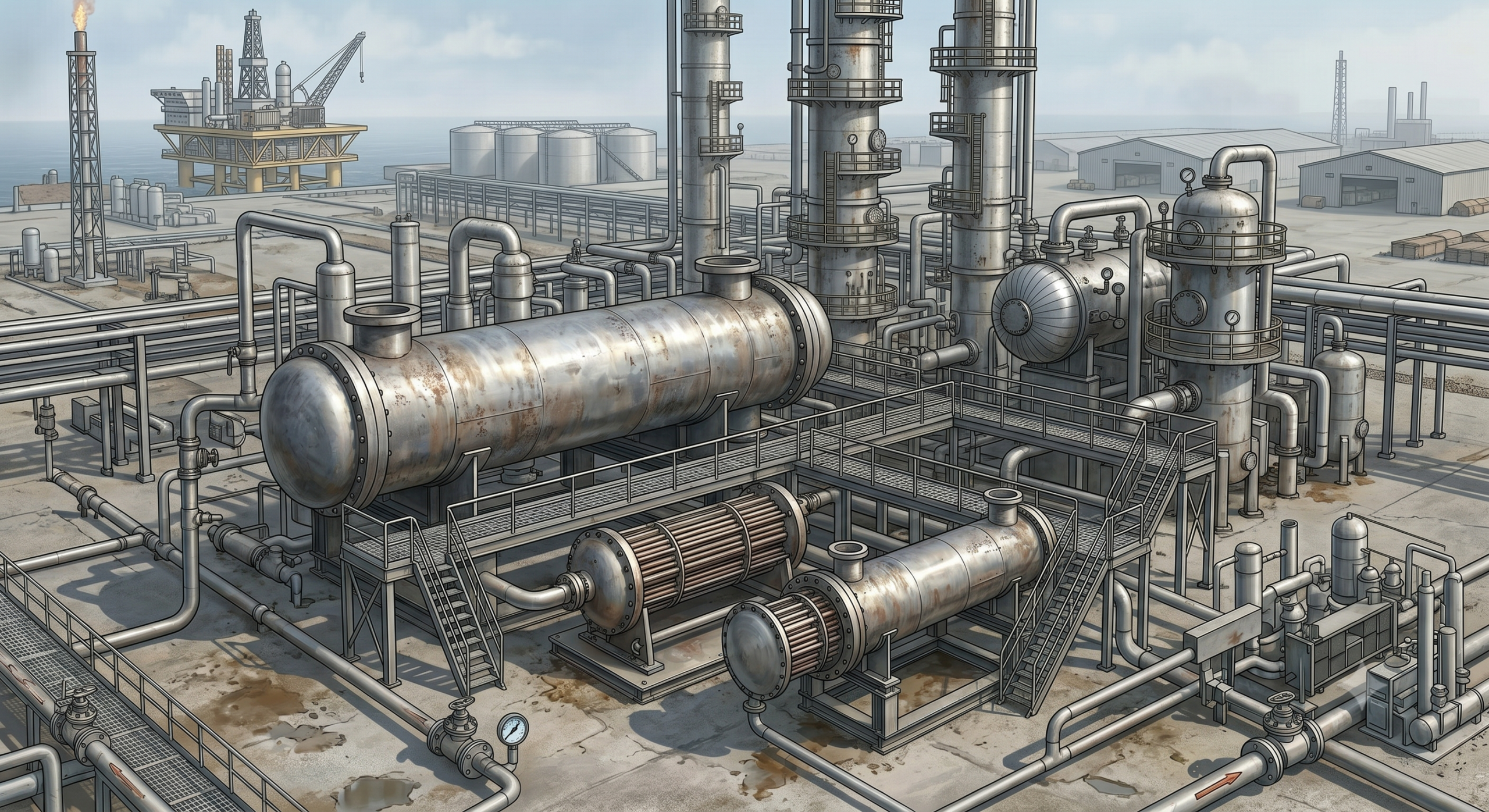
Industrial heat exchanger technology has evolved significantly over the past few decades. Today, engineers can choose from: Many of these technologies offer advantages such as: Yet when we examine large…
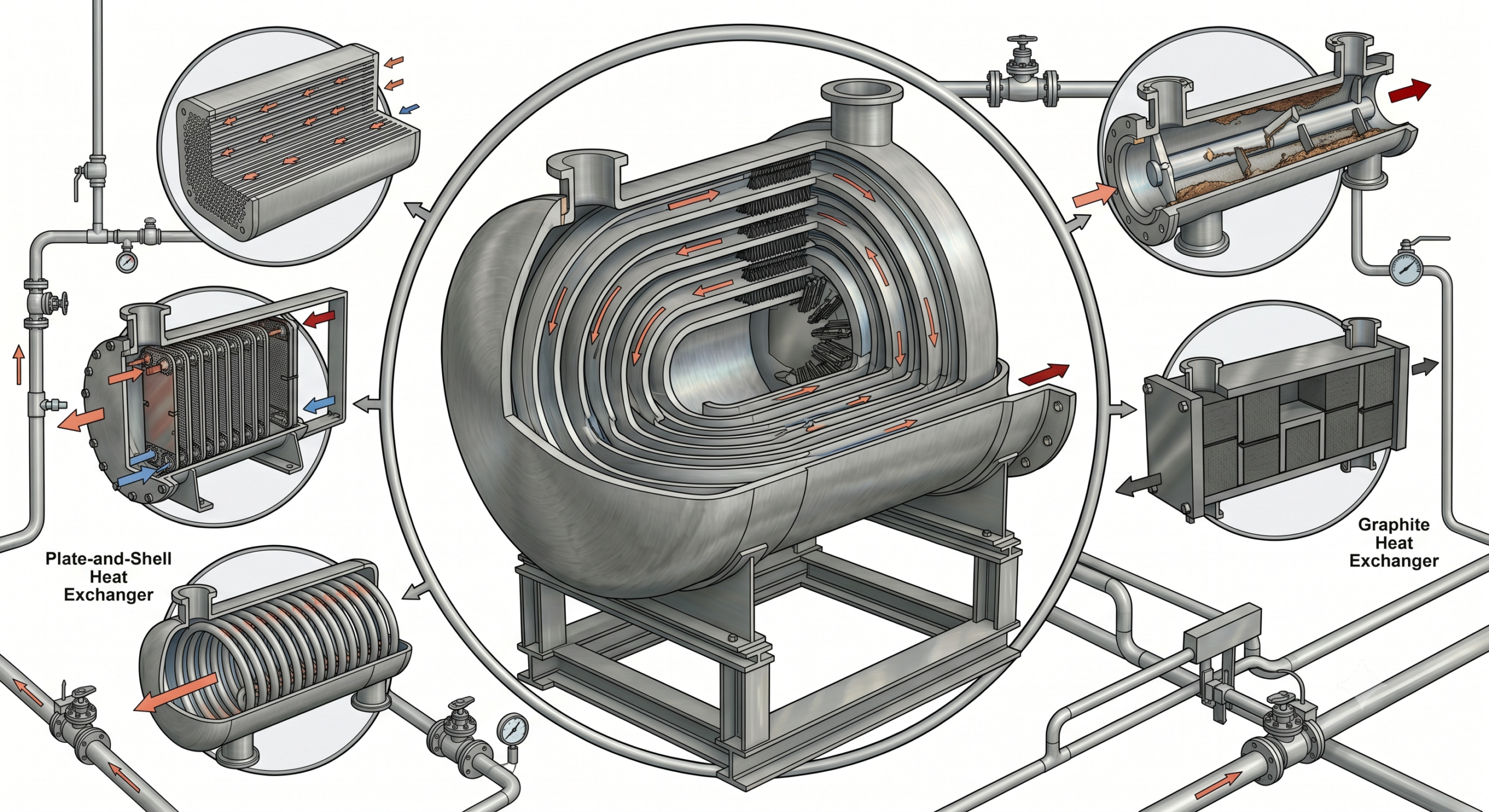
Most industrial heat transfer duties are handled by: These designs dominate because they solve the majority of industrial heating and cooling requirements. However, some services push equipment beyond the practical…
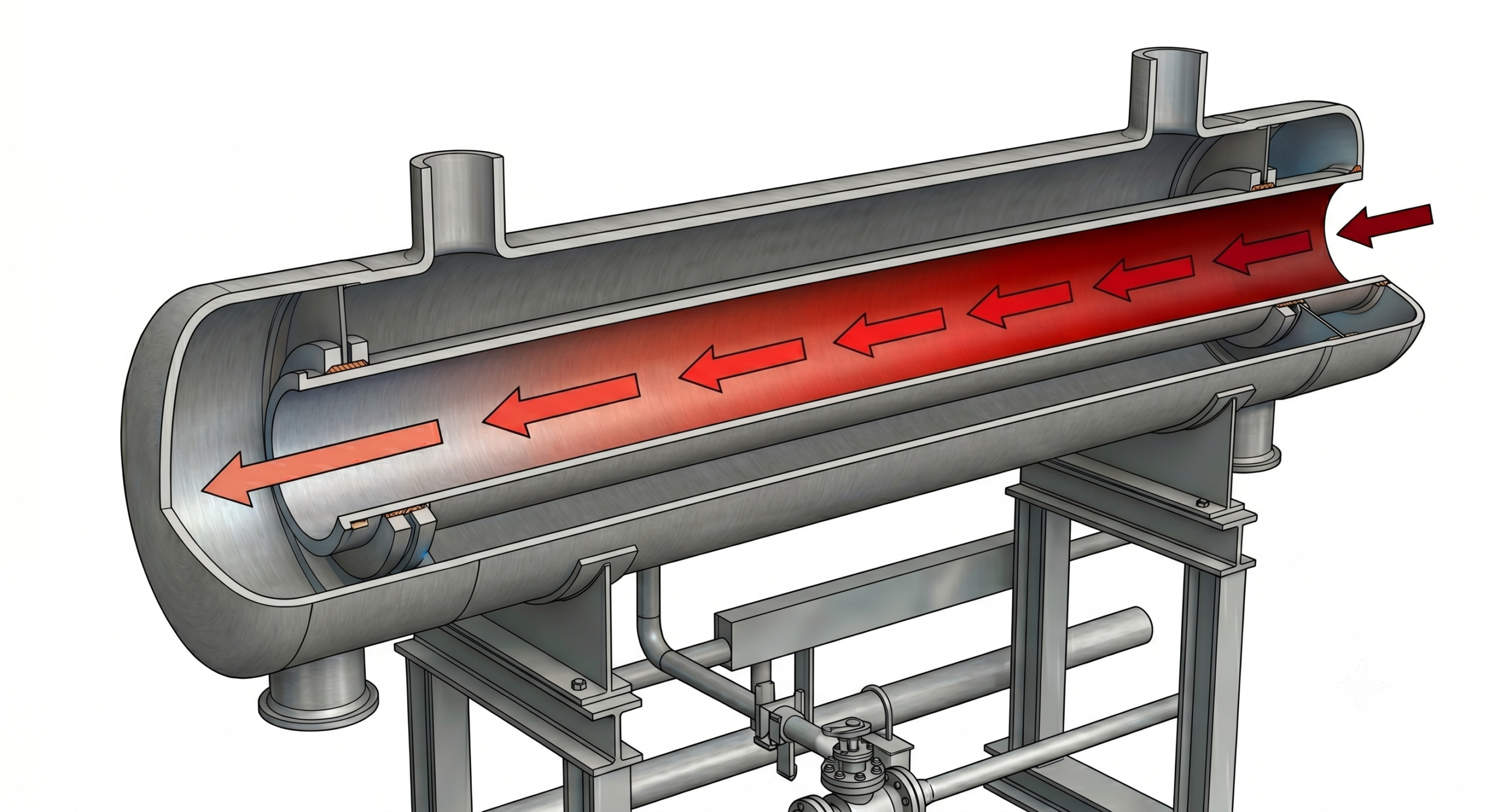
When engineers discuss industrial heat exchangers, the conversation usually revolves around: Double pipe heat exchangers rarely receive the same attention. They are often viewed as: As a result, many young…
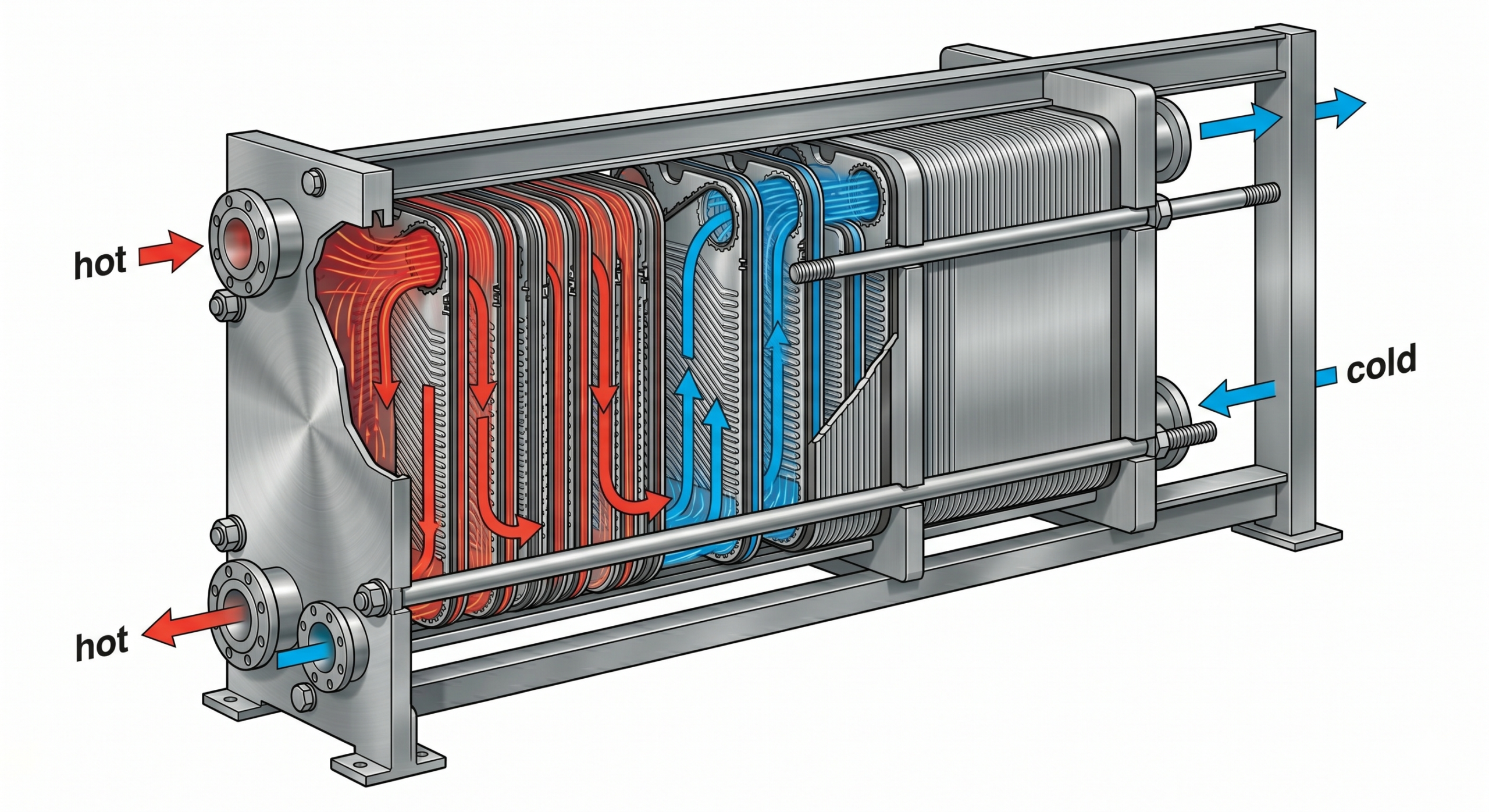
Plate heat exchangers have earned a strong reputation in modern industry. They are: Because of these advantages, engineers sometimes view them as a superior alternative to traditional shell-and-tube exchangers. But…
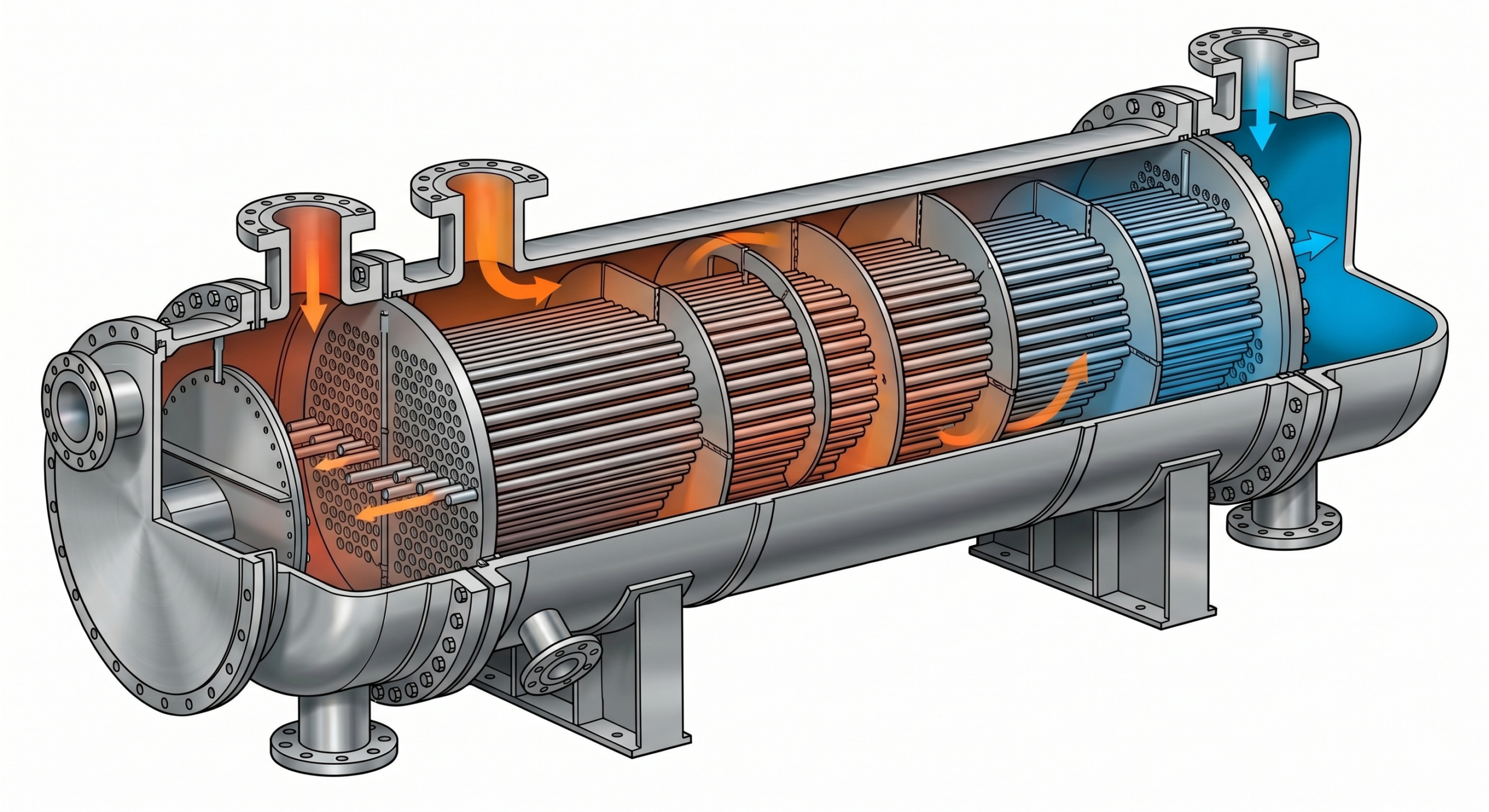
Why shell and tube heat exchangers dominate industrial plants is a question that reveals how industrial equipment selection balances reliability, maintainability, and thermal performance. If someone walks through a refinery,…